
1. Introduction: Potato Chip Packaging – More Than Just a "Wrapper"
Potato chips are one of the world’s most popular snacks. Their crispness and flavor are key to their appeal, but they are fragile and highly sensitive to oxygen, moisture, and light. Even minor packaging flaws can lead to loss of crispness, oil rancidity, or breakage.
That’s why efficient and professional potato chip packaging is critical — not just for preserving quality but also for extending shelf life and elevating brand image. And at the heart of it all? The right potato chip packaging machines.
2. What is Potato Chip Packaging?
Potato chip packaging involves using automated machinery and suitable materials to weigh, fill (often with nitrogen), seal, and label chips. Its key goals:
-
Protection: Prevent chips from breaking.
-
Preservation: Shield from moisture and oxidation.
-
Shelf Life Extension: Maintain freshness and crunch.
-
Visual Appeal: Attract consumers with high-impact design.
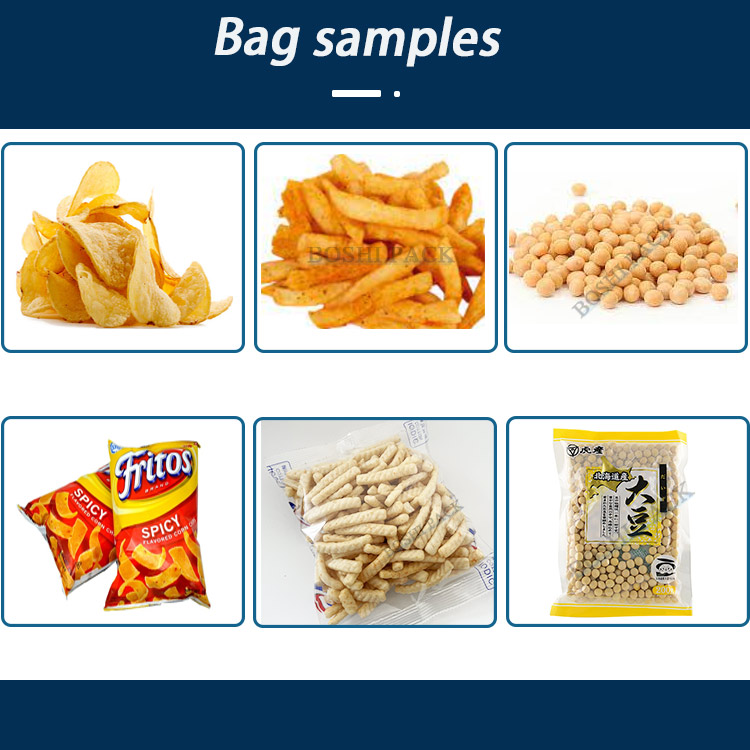
3. The Core Value and Challenges of Quality Potato Chip Packaging
Core Value
-
Crispness Retention through moisture-proofing and nitrogen flushing.
-
Flavor Protection by minimizing lipid oxidation.
-
Reduced Breakage from shock-absorbing packaging.
-
Brand Impact via visually engaging designs.
-
Food Safety Compliance from hygienic materials and sealing.
Key Challenges
-
Chips are easily crushed.
-
They are oxygen/moisture sensitive.
-
High oil content requires top barrier materials.
-
Balance between speed and precision must be maintained.
Table 1: Packaging Quality Factors
| Factor | Risk | Packaging Strategy |
|---|---|---|
| Oxygen | Oil rancidity | Nitrogen flushing, barrier films |
| Moisture | Sogginess, mold risk | Moisture barriers, tight seals |
| Light | Oxidation, color loss | Light-blocking films |
| Shock | Breakage | Gas cushions, strong materials |
| Poor Seal | All above risks | Heat-seal tech, reliable materials |
4. The "Golden Partners" – Key Material Choices
Common Film Structures
-
BOPP/VMCPP: Great for stiffness + barrier
-
PET/VMPET/PE: Stronger, excellent barrier
-
Matte OPP/VMPET/PE: Premium texture
Material Requirements
-
Barrier Properties: Low OTR and WVTR
-
Light Resistance: To delay oxidation
-
Sealability: Fast, secure heat seals
-
Printability: Attractive branding
-
Food Safety: Regulatory compliance
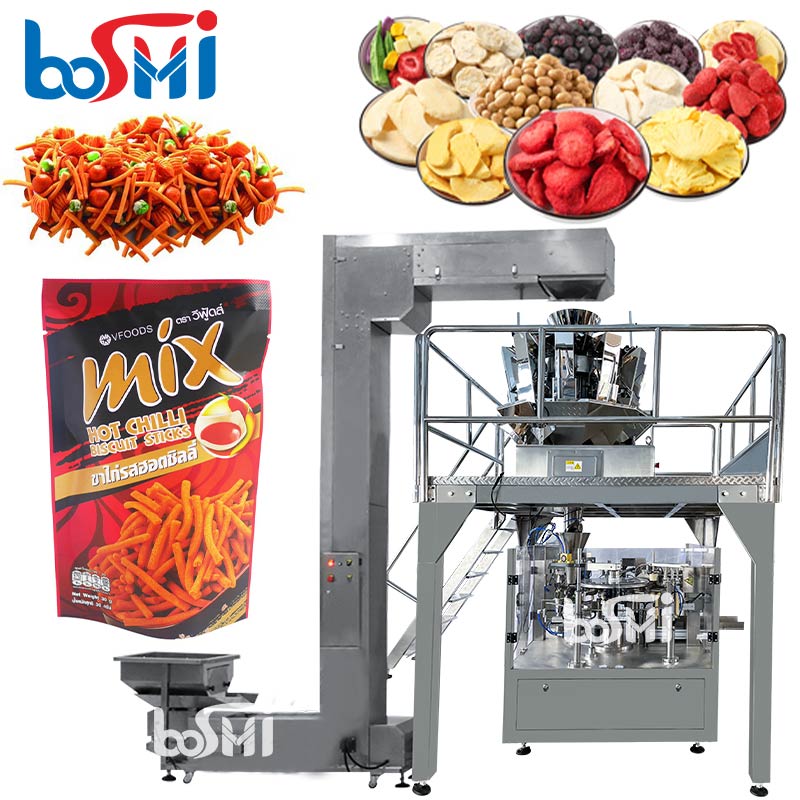
5. Machine Types: Core Systems for Potato Chip Packaging
Multihead Weigher
-
Function: Smart weight combinations using multiple hoppers
-
Advantages: ±0.5–2g accuracy, fast, chip-friendly
-
Speed: 60–200 weighings/minute
Vertical Form Fill Seal (VFFS)
-
Steps:
-
Film pulled and shaped
-
Longitudinal seal
-
Bottom seal
-
Filling
-
Top seal and cut
-
-
Speed: 30–150 bags/minute
Nitrogen Flushing System
-
Function: Replace oxygen with nitrogen to prevent oxidation
-
Benefits:
-
Prolongs crispness
-
Creates shock-absorbing cushion
-
Preserves flavor
-
-
MAP Process: Integrated with VFFS filling tube
Secondary Packaging (Optional)
-
Cartoners: For boxing chip bags
-
Multipack Bundlers: For family-size bundles
6. How to Choose the Right Potato Chip Packaging Machine
Consider the following:
-
Weighing Speed/Accuracy
-
Product Protection Design
-
VFFS Stability + Sealing Quality
-
Nitrogen Injection Control
-
Material Compatibility
-
Ease of Use/Maintenance
-
Food-Grade Hygienic Design
-
Space Layout Compatibility
-
Manufacturer’s Service
-
TCO (Total Cost of Ownership)
7. Conclusion
Packaging defines whether your chips arrive fresh and crunchy or stale and broken. A high-end system — typically multihead weigher + VFFS + nitrogen flushing — ensures consistency, reduces waste, and protects brand reputation.
Investing in the right machine isn’t just about automation. It’s about delivering value in every bag.
8. FAQs
Q1: Why are chip bags puffy?
A: Nitrogen gas fills the bags to protect chips from breakage and oxidation.
Q2: How many heads should a weigher have?
A: 10 to 16 heads are common. More heads = better speed and accuracy.
Q3: Can this machine pack other snacks?
A: Yes, puffed snacks like popcorn, rice crisps, and shrimp chips can also be packed.
Q4: How to ensure sealing quality?
A: Use proper sealing temperature, pressure, and materials. Maintain sealing jaws regularly.
9. Contact Packaging Machinery Experts
Need help choosing the right chip packaging solution? Our experts are ready to assist with tailored machine recommendations and technical support.